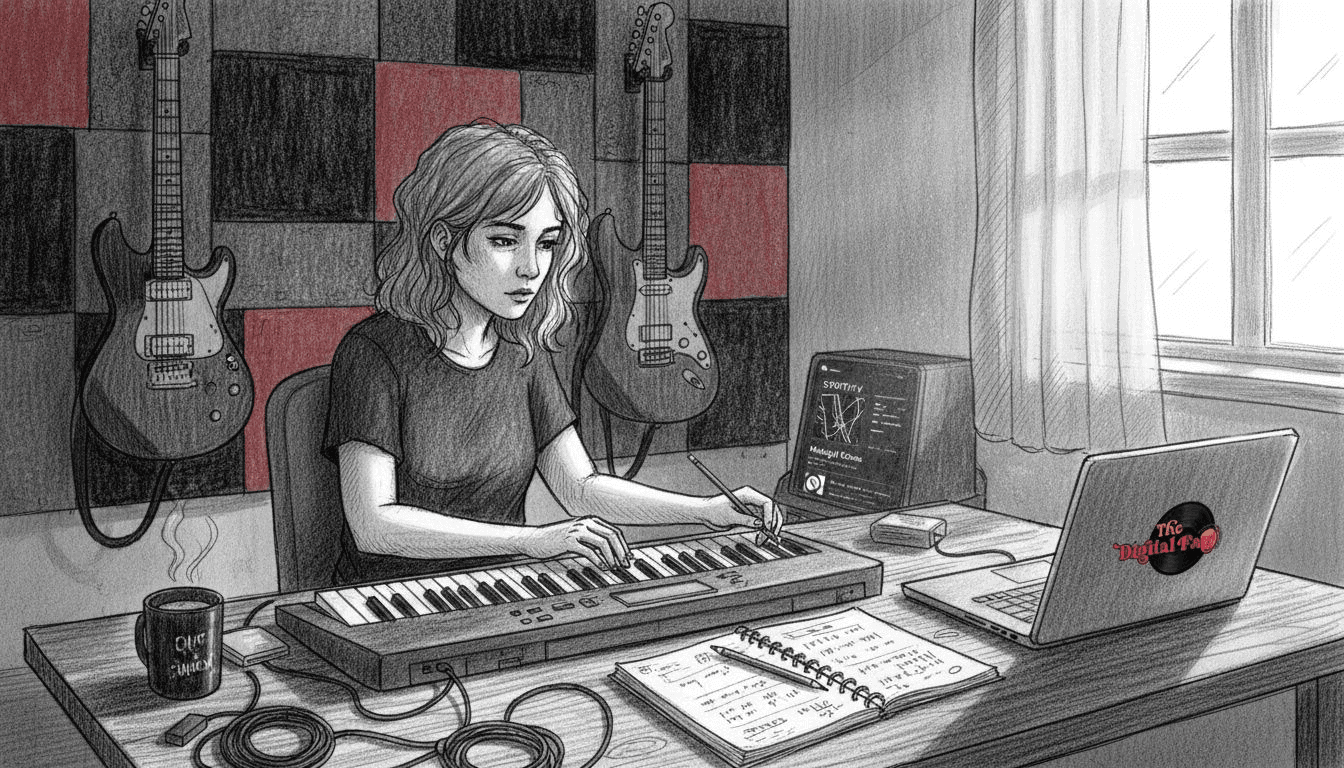
Standing out as an independent musician can feel nearly impossible when thousands of new tracks drop on Spotify every day. The rise of digital platforms has changed the music industry worldwide, shifting power from major labels to ambitious indie artists seeking direct connections with fans. Building true influence now relies on strategic music marketing that blends targeted streaming strategies with a strong, authentic online presence. Learn how mastering these essentials helps independent musicians like you actually cut through the noise and spark lasting fan relationships.
Key Takeaways
Point | Details |
|---|---|
Understanding Your Audience | Identify and connect with your ideal listeners to build a dedicated fan base. |
Leverage Multiple Marketing Channels | Utilize various platforms like Spotify, social media, and email to reach different segments of your audience effectively. |
Maintain Brand Authenticity | Cultivate a genuine brand presence by consistently expressing your unique story and style across all platforms. |
Legal Awareness is Crucial | Protect your music by understanding copyright laws, using split sheets for collaborations, and reviewing contracts carefully. |
Defining Music Marketing for Indie Artists
Music marketing for independent artists isn’t about fancy advertising budgets or major label backing. It’s about understanding who wants to hear your music and reaching them directly.
As an indie artist, you’re competing in a landscape where digital marketing strategies have become essential for building awareness and generating income. The playing field has shifted dramatically—streaming platforms like Spotify now dominate how people discover music, and you have direct access to those platforms without gatekeepers.
Here’s what indie music marketing actually means:
Building awareness so people know you exist and can find your music
Engaging your audience through authentic connections and community
Driving streams and sales by placing your music where listeners actively spend time
Creating sustainable growth with limited resources by being strategic, not sporadic
Why This Matters for You
The music industry has fundamentally changed. Independent artists now represent a significant portion of global music revenue. You don’t need permission from a label to reach millions of listeners anymore.
But that also means there’s noise. Thousands of tracks upload to Spotify every single day. Without intentional marketing, your music gets buried.
Independent musicians face unique challenges like limited formal support and intense competition. But you also have advantages: you control your narrative, move faster than labels, and can experiment without approval.
The Core Elements
Music marketing for indie artists centers on three foundational pillars:
Knowing your audience - Who actually wants to listen? Where do they spend time? What do they care about?
Being present where they listen - Spotify, social media, playlists, email, live shows, your own website
Building genuine connection - Sharing your story, not just your tracks
Effective marketing isn’t about reaching everyone—it’s about reaching the right people who become loyal fans.
Many indie artists think marketing means posting on Instagram once a week. It’s more than that, but it doesn’t have to be complicated. You’re essentially connecting your music with people who’ll actually care about it.
When you combine smart professional musician website presence with consistent playlist pitching and audience engagement, you create multiple touchpoints for discovery.
This is where the real opportunity lives.
Pro tip: Start by defining exactly who your ideal listener is—age, location, music taste, what platform they use most—then build all your marketing decisions around reaching that specific person, not trying to appeal to everyone.
Essential Marketing Channels and Variations
You can’t market everywhere equally. Different channels reach different people at different times, and as an indie artist, you need to pick your battles strategically.
The good news? You have access to the same channels major artists use. The key is understanding which ones actually drive results for your music and audience.
The Primary Channels
Marketing strategies for music artists span multiple platforms, each serving a distinct purpose in your overall strategy. Here’s where most indie artists focus their energy:
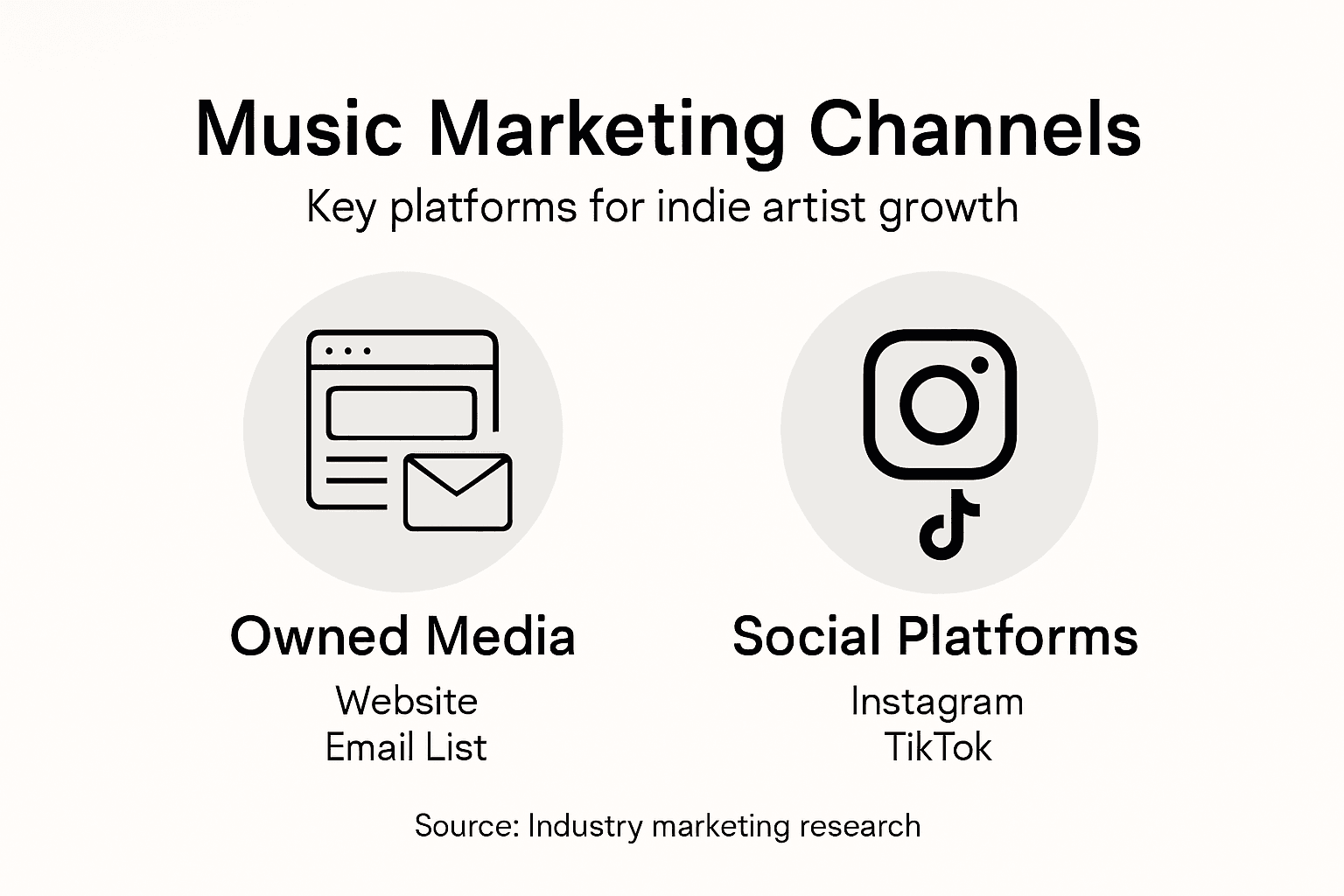
Here’s a comparison of primary music marketing channels for indie artists:
Channel | Audience Reach | Control Over Content | Typical Costs |
|---|---|---|---|
Spotify | Global streaming listeners | Limited profile customization | Free to upload, paid pitching |
Social Media | Gen Z and Millennial fans | Direct and flexible | Mostly free, paid ads optional |
Email Marketing | Most loyal followers | Total content control | Depends on platform, low cost |
Own Website | All demographics | Full design and branding | Hosting and design fees |
Playlists | Broad new listeners | Little control, pitching required | Free or paid submission |
Spotify and streaming platforms - Where people actively listen and discover music
Social media (TikTok, Instagram, YouTube) - Where your audience hangs out and shares content
Email marketing - Direct communication with people who already care about you
Playlists - The fastest way to reach new listeners on streaming services
Your own website - The one place you fully control
Why Multiple Channels Matter
Here’s the reality: no single channel works for everyone. Some artists blow up on TikTok. Others build sustainable audiences through email and their website. Most successful indie artists use a combination.
The evolution of music marketing shows that successful promotion now requires adapting to complex digital environments where different genres and audiences respond to different approaches.
Genre matters too. A lo-fi hip-hop artist thrives on YouTube and TikTok. A folk artist might find more traction through email and Spotify playlists. A pop artist needs social media presence everywhere.
Organic Versus Paid Promotion
You’ll face a choice on almost every channel: do you spend money, or invest time? Both work. It depends on your situation.
Organic promotion means growing your audience through genuine engagement—posting consistently, responding to comments, building community. This takes time but builds real fans.
Paid promotion means spending money on ads, playlist pitching services, or sponsored content. This accelerates discovery but requires budget.
Most indie artists start with organic because it’s free. As you grow and generate income, you can reinvest into paid strategies that amplify what’s already working.
Success comes from combining multiple channels strategically, not mastering one platform perfectly.
Artists spread themselves too thin across every platform. Pick 2-3 channels where your audience actually spends time, dominate those, then expand.
Pro tip: Start with Spotify optimization and one social platform (usually TikTok or Instagram depending on your genre), then add email marketing once you have 500+ engaged followers—this combination creates the foundation most indie artists need.
Building an Authentic Brand and Online Presence
Your brand isn’t your logo or your color palette. It’s the feeling people get when they hear your name. For indie artists, authenticity is the only competitive advantage you really have.
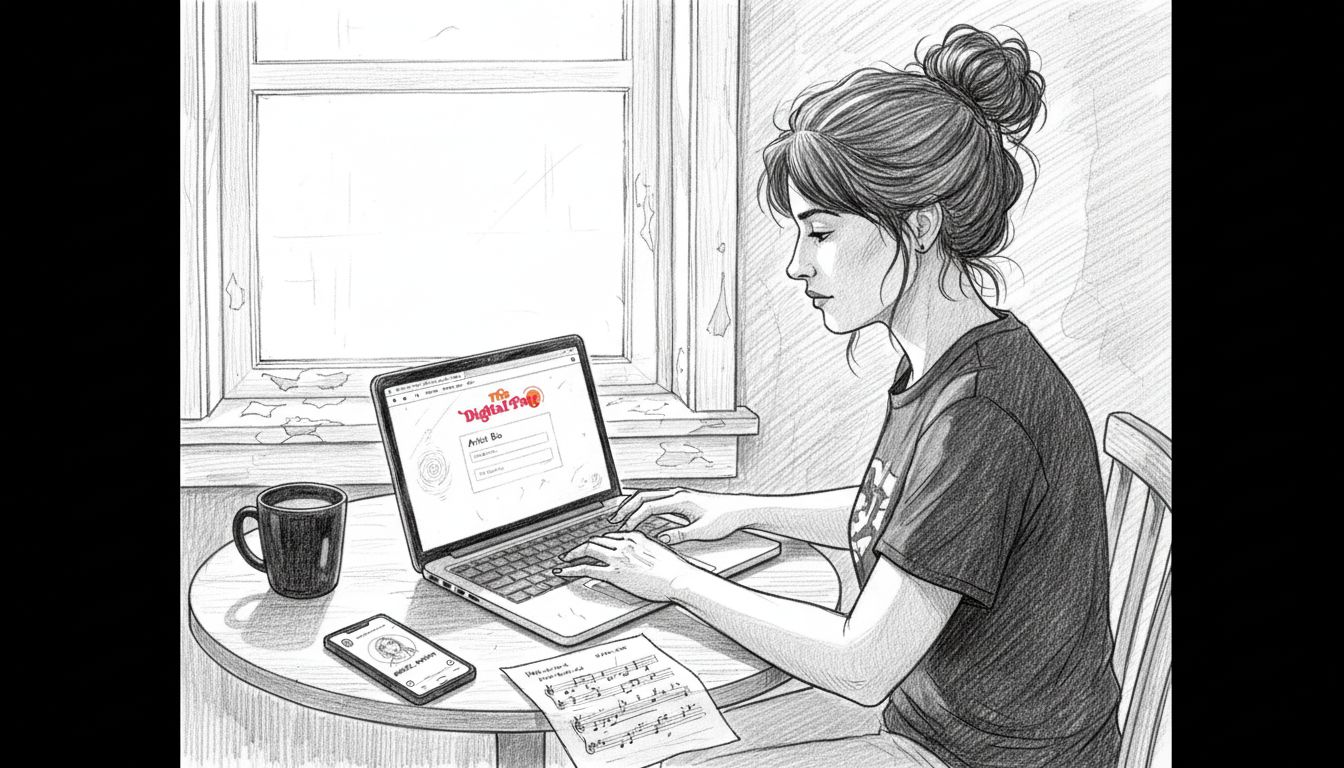
Major labels manufacture brands. You build yours by being genuinely you consistently, across every platform where your audience finds you.
What Your Brand Actually Is
Building a music artist brand starts with defining your unique selling proposition. This means understanding what makes you different and why people should care about your music specifically.
Here’s what you’re actually communicating:
Your sound - The specific music you make, not a broad genre
Your story - Why you make music and what it means to you
Your personality - How you show up in conversations and on social media
Your values - What matters to you beyond the music
Consistency Across Platforms
Brand consistency doesn’t mean copying the same post everywhere. It means sounding like yourself on Instagram, TikTok, email, and your website.
People should recognize your voice instantly. If you’re funny on Twitter, be funny on Instagram too. If you’re introspective in your music, let that show in your captions.
Meaningful online presence requires steady communication across platforms where you’re genuinely connecting with fans, not just broadcasting.
This is where most indie artists fail. They post once a month when they release something new. Real brand building happens in the spaces between releases—responding to comments, sharing behind-the-scenes moments, engaging with your community.
Building Visual Identity
Your visual identity matters, but don’t overthink it. You need:
A consistent profile photo - Use the same headshot or image across all platforms
A color palette - 2-3 colors that feel like you (your website, merch, posts)
A style - Photography style, font choices, filter preferences if you use them
A bio that explains who you are - Clear, specific, and memorable
When someone finds you on one platform and moves to another, they should immediately recognize you.
Your brand builds trust. When people feel like they actually know you, they become fans for life, not just one-time listeners.
Building band web pages with Spotify profiles helps centralize your presence and give people a home base to learn about you beyond streaming platforms.
This matters because you control your website. You don’t control what Spotify shows about you. Your website tells your complete story.
Pro tip: Choose 3-5 words that describe your brand (e.g., “raw, acoustic, introspective”) and use them as a filter for every decision—what you post, how you respond, what collaborations you accept—so your brand stays authentic and recognizable.
Optimizing Spotify and Website Integration
Spotify is where people discover your music. Your website is where they become fans. These two platforms need to work together seamlessly, not exist in separate worlds.
When someone clicks from Spotify to your website, they should feel like they’re getting more of you—not just another generic artist page.
Why Integration Matters
Personalized communication and consistent messaging across platforms significantly enhances user experience and fan retention. Your Spotify profile and website should complement each other, not compete.
Here’s the reality: Spotify controls what information appears on your artist page. You don’t control that. But you control your website completely.
When fans visit your Spotify profile, they see streaming numbers and a brief bio. When they visit your website, they should see the full picture—your story, merchandise, email signup, tour dates, behind-the-scenes content.
Setting Up Your Spotify-to-Website Flow
Start with your Spotify artist profile. This is your entry point for discovery:
Add a clear, compelling bio that explains who you are
Link directly to your website in the artist information section
Keep your profile photo consistent with your website branding
Respond to listener messages and engagement
Your website should then complete the journey:
Display your latest Spotify releases prominently
Embed your Spotify player so people can listen without leaving
Offer something Spotify can’t—email signup, exclusive content, or merchandise
Make navigation between platforms frictionless
The Data Advantage
Spotify’s personalized recommendations leverage streaming data to customize user content, while your website lets you control branding directly and enhance fan engagement.
Use the data Spotify provides through Spotify for Artists. Check which songs listeners skip. See where your listeners are geographically. Understand what time of day people listen most.
Then use that data to inform your website strategy. If your biggest listeners are in Australia, tour there if you can. If you can't, find a way to relate and pander to that audience across the internet. If they skip certain songs, rework similar tracks in the future.
Integration creates a seamless fan journey from discovery to loyalty, turning casual listeners into dedicated supporters.
The best indie artists treat Spotify and their website as one unified system, not two separate channels.
Pro tip: Add a prominent “Listen on Spotify” button on your homepage with direct links to your top songs and playlists, then track how many people click through—this tells you if your website traffic is actually converting to streams.
Common Pitfalls, Costs, and Legal Risks
Many talented indie artists lose thousands of dollars—or worse, lose control of their music—because they didn’t understand the legal side of music marketing. The good news? Most pitfalls are completely avoidable with basic awareness.
You don’t need a lawyer to understand the basics. You do need to know what you don’t know.
Copyright and Ownership Issues
This is where most indie artists trip up. Major legal pitfalls include improper copyright registration and neglecting split sheets for collaborations, which can lead to costly disputes and loss of revenue.
Here’s the problem: when you upload a song to Spotify, you don’t automatically own the copyright. You need to formally register it with your country’s copyright office.
If you collaborate with someone, you need a split sheet. This document clearly states who owns what percentage of the song. Without it, disputes happen later—when money is actually on the table.
Common Mistakes That Cost Money
Not clearing samples - Using someone else’s music without permission opens you to lawsuits
Misunderstanding sync licensing - Using copyrighted music in your videos without proper licenses
Signing away rights - Agreeing to bad contracts because you didn’t read them carefully
Mixing composition and master recording rights - These are two different copyrights, and people often confuse them
No written agreements with collaborators - “Handshake deals” become nightmares when money appears
The Real Costs
Understanding composition and master recording copyrights and negotiating contracts strategically protects your creative assets and maximizes revenue in the digital marketplace.
Legal fees for copyright disputes run $5,000 to $25,000+. Losing your music entirely? Priceless regret.
The cost of prevention is minimal. Proper copyright registration costs under $100. A split sheet template is free. Taking 30 minutes to read a contract before signing? Worth everything.
The following table summarizes common legal risks and simple prevention strategies for indie artists:
Legal Risk | Potential Impact | Simple Prevention Steps |
|---|---|---|
Unregistered Copyright | Loss of ownership | Register songs before release |
No Split Sheets | Disputes over royalties | Always use written agreements |
Uncleared Samples | Lawsuits and takedowns | Seek sample clearance in advance |
Bad Contracts | Lost revenue, loss of rights | Take time to review contracts |
Legal literacy is your best defense. An hour spent understanding contracts prevents thousands in future disputes.
As an indie artist, your music is your business asset. Protect it like one.
Pro tip: Before uploading anything to Spotify, register your copyright with your country’s copyright office, create a split sheet for any collaboration, and keep written records of all agreements—these three steps prevent 90% of legal headaches most indie artists face.
Elevate Your Spotify Success with a Powerful Online Presence
Breaking through the noise of Spotify and turning casual listeners into loyal fans starts with knowing exactly who your audience is and reaching them with authenticity. The article highlights how indie artists often struggle with connecting their Spotify profile to an engaging and trustworthy online hub that showcases their story, brand, and music in one seamless experience. Without a professional website integrated with your Spotify content, those crucial fan relationships can get lost and your growth may stall.
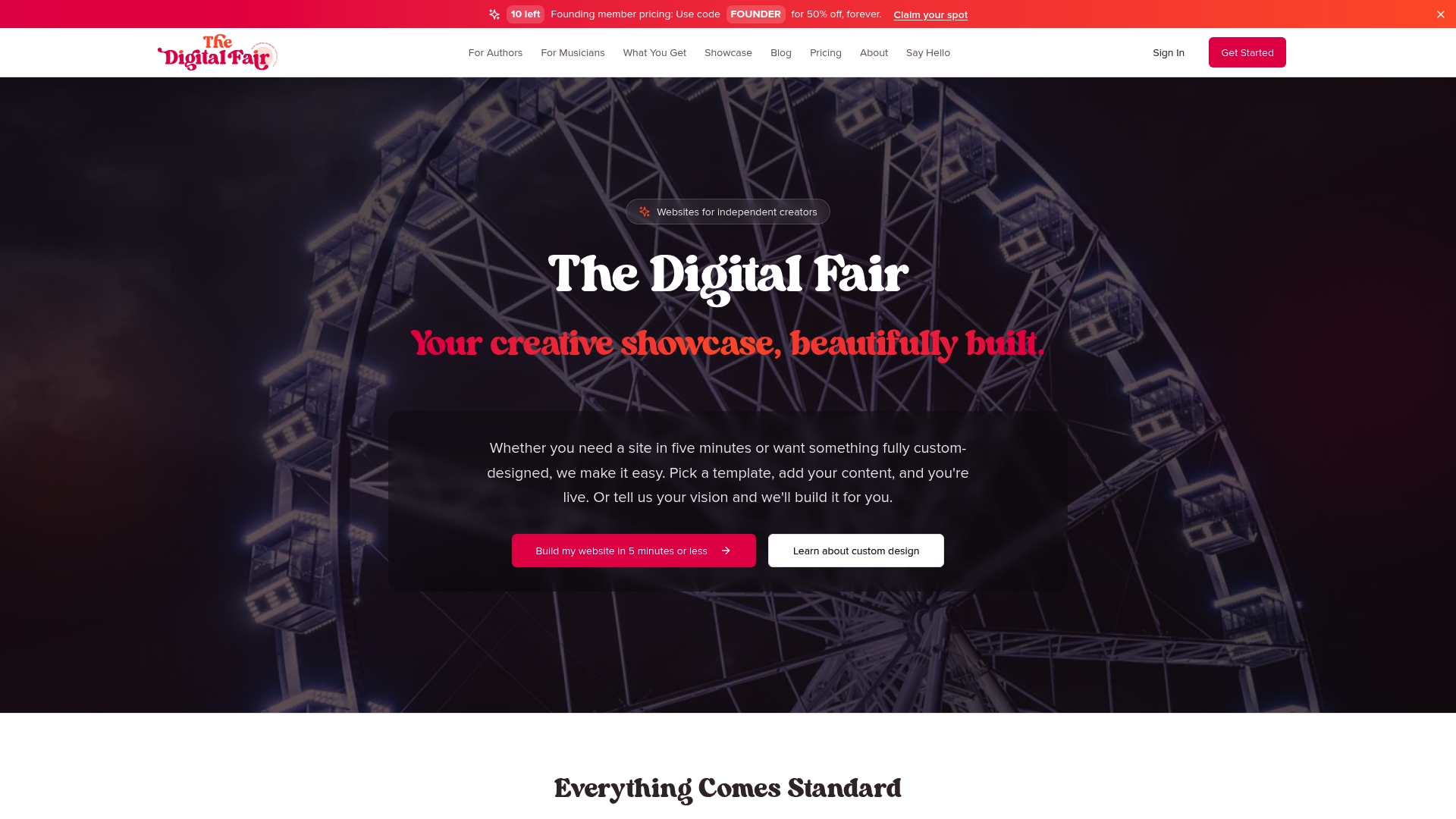
Take control of your music marketing today by building a customized artist website easily with The Digital Fair. Our instant website builder uses your Spotify links to create beautiful pages that highlight your releases, embed players, and let you truly own your brand and fan journey. Combine that with full content management system options and custom designs tailored just for you. Start turning streams into lasting connections now so you never miss an opportunity to grow your audience. Visit The Digital Fair to build a professional musician website crafted for Spotify success that powers your entire marketing strategy.
Frequently Asked Questions
What are the core elements of music marketing for indie artists?
The core elements of music marketing for indie artists include knowing your audience, being present where they listen, and building genuine connections with fans.
How can I effectively engage my audience as an independent artist?
Effective engagement involves authentic interactions through social media, responding to comments, and sharing your story beyond just your music.
What is the difference between organic and paid promotion in music marketing?
Organic promotion focuses on building your audience through genuine engagement and consistent content, while paid promotion involves using ads and services to boost visibility.
Why is it essential to optimize my Spotify profile?
Optimizing your Spotify profile is essential as it helps attract new listeners by providing clear information about who you are and encouraging them to explore more of your music.