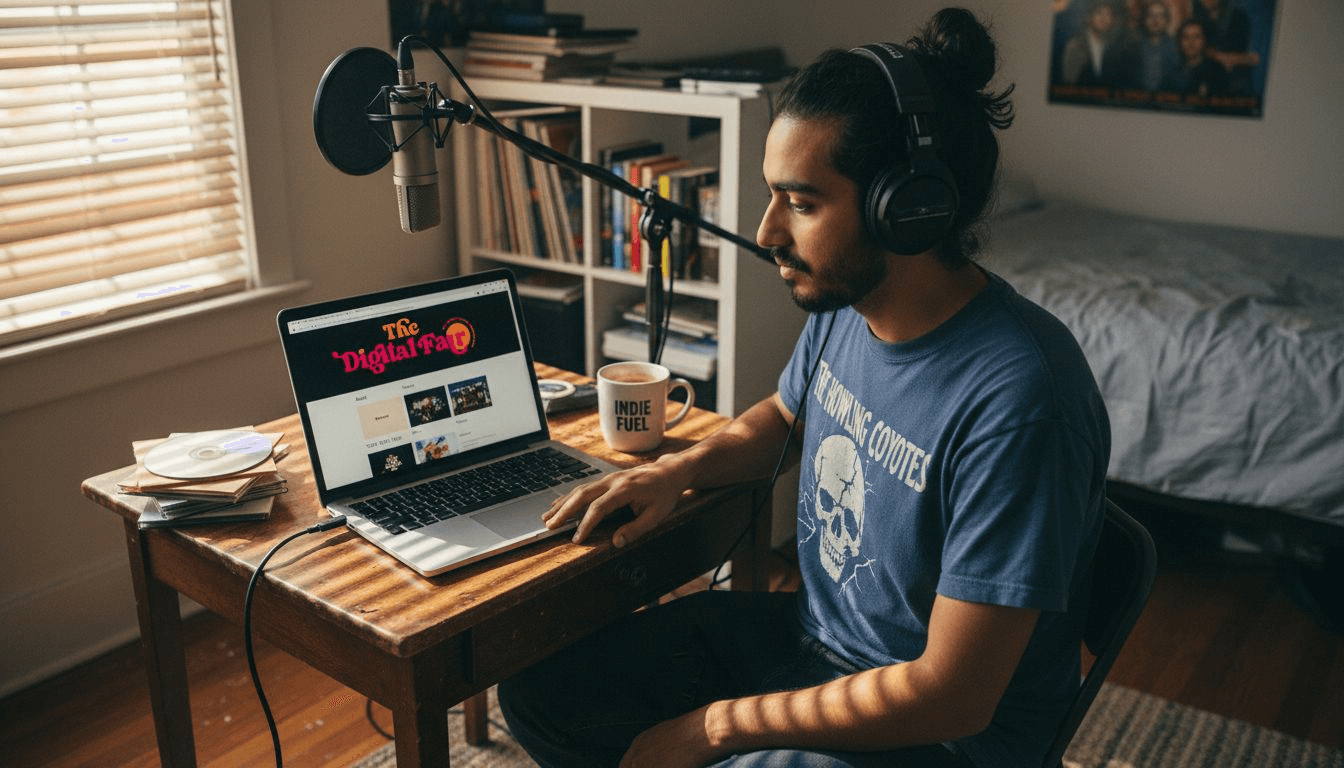
Independent authors and musicians face an uphill battle for visibility in 2026’s crowded digital marketplace. With over 60,000 songs uploaded to Spotify daily and tens of thousands of books published monthly, standing out requires more than talent alone. A strategic digital presence is no longer optional; it’s the foundation for building sustainable careers, connecting authentically with fans, and controlling your creative destiny in an industry that increasingly rewards direct creator-to-audience relationships.
Key takeaways
Point | Details |
|---|---|
Digital presence drives sales | Strong online engagement builds 85% more trust, directly increasing purchase likelihood and fan loyalty. |
Own your platforms | Combining websites and email lists with social media raises retention by 60% and protects against algorithm changes. |
Monetization opportunities | Direct sales through owned channels deliver higher margins and brand control compared to traditional intermediaries. |
Multi-channel strategy wins | Diversified digital presence across platforms increases engagement by 30-50% and stabilizes income streams. |
Quality beats quantity | Consistent, authentic content aligned with your brand outperforms high-volume, scattered posting. |
Why digital presence matters for visibility and sales
The music and publishing industries have fundamentally shifted toward digital-first discovery. Streaming platforms, online bookstores, and social media now determine which creators get noticed. Without a coordinated digital presence, your work risks invisibility regardless of its quality.
A strong digital presence builds deeper trust and brand loyalty among readers and fans by offering transparency, authenticity, and regular engagement. This trust translates directly to sales. Fans are 85% more likely to purchase from creators they feel connected to online, making digital engagement your most powerful marketing tool.
Consider these visibility benefits:
Search engines rank creators with professional websites higher, expanding discoverability beyond social feeds
Email lists provide direct access to your most engaged fans without competing against algorithms
Owned platforms showcase your full catalog and story without character limits or platform restrictions
Cross-platform presence captures audiences wherever they naturally spend time online
The data backs this up. Independent authors who maintain professional websites see measurably higher sales compared to those relying solely on social media. Your website serves as your digital headquarters where fans can explore your work comprehensively, subscribe to updates, and make purchases without external distractions.
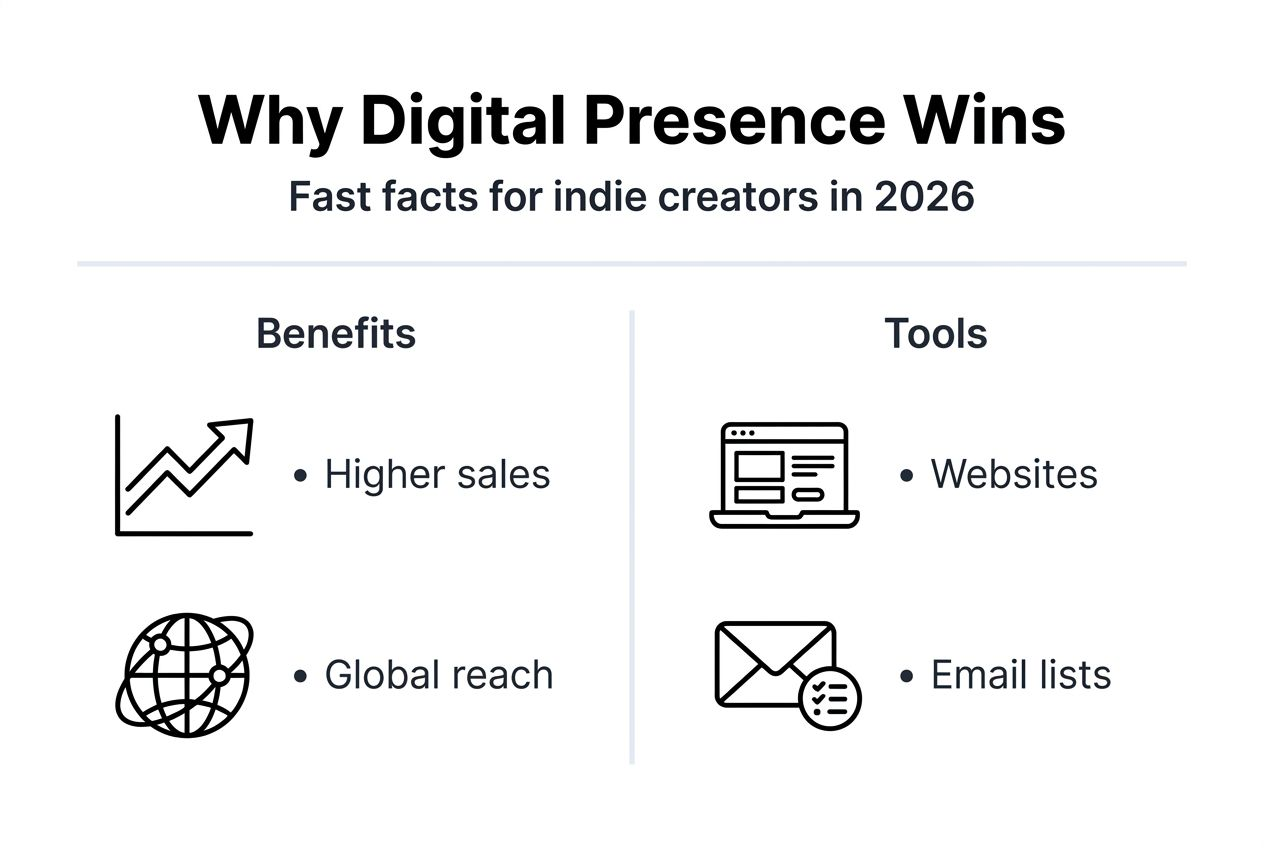
Social media remains valuable for discovery and community building, but it functions best as a funnel toward owned channels where you control the experience. The combination creates a resilient ecosystem that protects your audience relationships from platform policy changes or algorithm shifts that could otherwise tank your reach overnight.
How digital presence builds and reinforces trust with fans
Trust forms the foundation of lasting fan relationships. While social media facilitates quick interactions, owned digital channels like websites and email lists provide the stability and depth needed for genuine connection.
Social media platforms enable direct fan engagement and feedback loops, enhancing loyalty through regular interaction. However, these platforms operate on unpredictable algorithms that can limit your reach without warning. Posts that once reached thousands might suddenly reach hundreds as platforms adjust their systems to prioritize paid content or different post types.
This volatility makes owned platforms essential. Your website and email list belong to you completely. No algorithm decides who sees your announcements about new releases, tour dates, or special offers. Research shows that combining owned and rented platforms raises fan retention by 60% because you maintain consistent communication regardless of social media fluctuations.

Authenticity strengthens trust across all channels. Fans gravitate toward creators who share genuine stories, creative processes, and personal insights. Your musician website becomes a marketing hub where this authenticity shines without the pressure to conform to trending formats or viral tactics that might not align with your artistic identity.
Key trust-building practices include:
Sharing behind-the-scenes content that reveals your creative journey
Responding personally to fan comments and messages when possible
Maintaining consistent communication through scheduled newsletters
Being transparent about your process, challenges, and successes
Honoring your commitments to fans regarding releases and engagement
Pro Tip: Send monthly email newsletters featuring exclusive content like early song previews, sample chapters, or personal reflections. This consistent touchpoint deepens relationships beyond sporadic social posts and keeps your most dedicated fans engaged between major releases.
Professional musician websites also signal credibility. A polished digital presence demonstrates professionalism that venues, media outlets, and potential collaborators notice. It shows you take your career seriously and provides a centralized location where industry contacts can quickly assess your work and reach out with opportunities.
How digital presence enables monetization and engagement
Digital presence opens diverse revenue streams that traditional distribution channels can’t match. The ability to sell directly to fans fundamentally changes the economics of independent creative careers.
Independent creators who sell through platforms like Shopify or Kickstarter control their brand and retain a higher percentage of revenue compared to traditional distribution. While retailers and distributors typically take 30-55% of sales, direct sales through your website might only incur payment processing fees of 3-5%. That difference compounds significantly over time.
The growth of direct digital storefronts enables independent authors and musicians to control branding, pricing, and customer relationships more effectively than traditional intermediaries. You decide when to run promotions, how to bundle products, and what messaging accompanies each sale. This control extends to collecting customer data that informs future creative and business decisions.
Comparing monetization approaches:
Platform Type | Revenue Control | Brand Control | Customer Data | Dependency Risk |
|---|---|---|---|---|
Owned (Website/Email) | High (90-97% after fees) | Complete | Full access | Low |
Rented (Social/Streaming) | Low (45-70% after fees) | Limited | Restricted | High |
Hybrid Approach | Moderate to High | Strong | Good access | Balanced |
Integrating direct sales into your digital presence involves these steps:
Set up a professional website with e-commerce capabilities for books, music, and merchandise
Connect your Spotify presence to your website to convert streaming fans into direct supporters
Create email capture points throughout your site offering exclusive content in exchange for subscriptions
Develop strategic Spotify marketing that drives traffic back to owned channels
Implement analytics to track which products and messages resonate most with your audience
Beyond direct sales, digital presence enables monetization through crowdfunding campaigns, exclusive memberships, virtual events, and licensing opportunities. Each revenue stream diversifies your income, reducing dependence on any single source. Musicians can supplement streaming income with direct merchandise and ticket sales, while authors can offer signed editions, early access, or bonus content through their websites.
The engagement benefits parallel the financial ones. Independent music promotion through Spotify succeeds when integrated with broader digital strategy. Fans who discover you on streaming platforms need somewhere to deepen their connection, and your owned channels provide that essential next step.
Common misconceptions about digital presence effectiveness
Several persistent myths prevent indie creators from maximizing their digital potential. Addressing these misconceptions helps you build more effective strategies.
A widespread misconception suggests social media accounts alone suffice; however, without an integrated strategy that includes owned channels, digital presence impact is limited. Social platforms should feed traffic toward your website and email list, not serve as your sole digital foundation. Relying exclusively on rented platforms means you’re building your career on borrowed land where the rules can change without notice.
Common myths and their corrections:
Myth: More platforms automatically equal more success. Reality: Strategic presence on fewer platforms where your audience congregates outperforms scattered, inconsistent posting across many channels.
Myth: Digital presence requires expensive tools and technical expertise. Reality: Affordable, user-friendly platforms now enable professional websites and marketing automation without coding knowledge.
Myth: Posting frequency matters more than content quality. Reality: Consistent, valuable content aligned with your brand builds stronger connections than high-volume, generic posts.
Myth: Direct sales are too risky compared to established retailers. Reality: Direct sales provide greater margins and control while retailers remain available as supplementary channels.
Myth: You need massive followings before digital presence matters. Reality: A small, engaged audience on owned platforms generates more revenue than large, passive social followings.
Myth: Digital presence is only for promotion, not art. Reality: Your online presence reflects and extends your artistic identity, offering creative expression beyond your primary medium.
The truth is that effective digital presence balances multiple channels strategically. Your website anchors everything while social media, streaming platforms, and email work together to guide fans through a cohesive experience. This integration prevents the algorithm dependency that leaves creators vulnerable to sudden reach drops.
Another misconception suggests digital presence competes with creative time. Actually, efficient systems and tools minimize time investment while maximizing impact. Social media posting features that allow cross-platform scheduling let you maintain presence without constant manual updates, freeing mental energy for creative work.
Advanced strategies beyond basic social media use
Strategic indie creators build resilient digital ecosystems that transcend basic social posting. Multi-platform integration protects your career from the inevitable changes that affect any single channel.
Creators using multiple digital platforms gain 30-50% more engagement and income streams, mitigating risks of platform algorithm changes. This diversification operates like financial investment portfolios. Just as investors spread funds across assets to reduce risk, smart creators distribute their audience across owned and rented channels to maintain stability.
Your owned website and email list form the core. These platforms experience no algorithm interference and remain under your complete control. Build outward from this foundation by connecting social media accounts, streaming profiles, and marketplace listings that all funnel traffic back to your owned channels. Each rented platform serves as a discovery tool that ultimately strengthens your owned presence.
Balancing owned and rented channels effectively:
Dedicate 60-70% of strategic effort to owned channels (website, email list, direct sales)
Use remaining 30-40% for social media engagement and streaming platform optimization
Create content once, then adapt it for multiple platforms to maximize efficiency
Track which platforms drive the most valuable traffic to owned channels
Adjust resource allocation based on actual conversion data, not vanity metrics like follower counts
Build email list aggressively since subscribers convert at 3-5 times higher rates than social followers
Pro Tip: Schedule a monthly content batch where you create one core piece (blog post, video, podcast episode), then break it into platform-specific snippets. This approach maintains consistent cross-platform presence without requiring constant content creation, and you can use social media posting tools to automate distribution.
Advanced creators also leverage platform strengths strategically. Instagram and TikTok excel at discovery through short-form visual content. YouTube and podcasts build deeper connections through long-form storytelling. Email drives sales through personalized communication. Your website ties everything together as the authoritative source fans return to for complete information.
This integrated approach creates multiple conversion paths. A fan might discover you through a viral TikTok, explore your full catalog on your website, subscribe to your email list for exclusive content, make purchases directly from your store, and engage with your community on Instagram. Each touchpoint reinforces the others, building momentum that single-platform strategies can’t match.
Best practices for digital presence setup and maintenance
Building effective digital presence requires intentional design and consistent maintenance. Start with foundational elements that provide immediate value, then expand strategically as your audience grows.
Clean, user-friendly website design significantly enhances engagement and conversion rates by making navigation intuitive and content appealing. Your website should load quickly, display perfectly on mobile devices, and guide visitors naturally toward desired actions like subscribing or purchasing. Cluttered designs overwhelm visitors and increase bounce rates, while minimalist, focused layouts keep attention on what matters.
Setup priorities for indie creators:
Secure a professional domain name that matches your artist or author name
Choose a website platform designed for musicians or authors with built-in features for your needs
Include essential pages: homepage, about, discography or bibliography, contact, and email signup
Integrate Spotify, Apple Music, or book retailer links prominently
Set up email marketing software with automated welcome sequences for new subscribers
Create content calendars balancing promotional updates with valuable, entertaining posts
Install analytics to track visitor behavior and identify high-performing content
Timing matters for maintenance. Post on social media when your audience is most active, typically evenings and weekends for independent music and book audiences. Send email newsletters consistently, whether weekly, biweekly, or monthly, but never so frequently that subscribers feel overwhelmed. Quality engagement beats quantity every time.
Pro Tip: Review your analytics quarterly to identify trends in traffic sources, popular content, and conversion rates. Double down on what works and eliminate what doesn’t. This data-driven approach prevents wasted effort on tactics that don’t resonate with your specific audience.
Tools that streamline management include social media schedulers, email automation platforms, and website builders with integrated marketing features. Many affordable options exist specifically for independent creators. The key is choosing tools that grow with you rather than requiring platform switches as your needs evolve.
Content freshness signals active engagement to both fans and search engines. Update your website regularly with new releases, upcoming events, blog posts, or media mentions. Even small updates like adding recent photos or updating your biography keep your site feeling current and encourage repeat visits.
Empowering your independent career through digital presence
Your digital presence represents more than marketing; it’s the infrastructure supporting creative independence. In 2026’s creator economy, the artists and authors who thrive are those who own their audience relationships and diversify their income streams through strategic online channels.
The evidence is clear. Digital presence increases visibility, builds trust that converts to sales, and opens monetization opportunities unavailable through traditional distribution alone. Owned platforms like websites and email lists provide stability while social media and streaming services drive discovery. Together, they create resilient systems that weather algorithm changes and platform shifts.
Starting or upgrading your digital presence doesn’t require massive budgets or technical expertise. User-friendly tools now enable professional results quickly, letting you focus energy on creating rather than struggling with technology. The investment pays dividends through deeper fan connections, higher conversion rates, and greater control over your creative career.
Success comes from consistent implementation of best practices: maintaining clean, mobile-friendly design; posting valuable content regularly; integrating owned and rented platforms strategically; and analyzing results to optimize continuously. These fundamentals compound over time, building momentum that transforms casual listeners and readers into devoted supporters who fuel sustainable creative careers.
The opportunity is yours. Independent creators have never had better tools or more direct paths to audiences. Your talent deserves visibility, and strategic digital presence delivers it.
Explore digital presence solutions designed for independent creators
Building your digital foundation shouldn’t require technical skills or big budgets. The Digital Fair specializes in instant, professional websites tailored specifically for independent authors and musicians. Simply connect your Spotify account or ISBN, and watch your website come to life with your music, books, and biography beautifully presented.
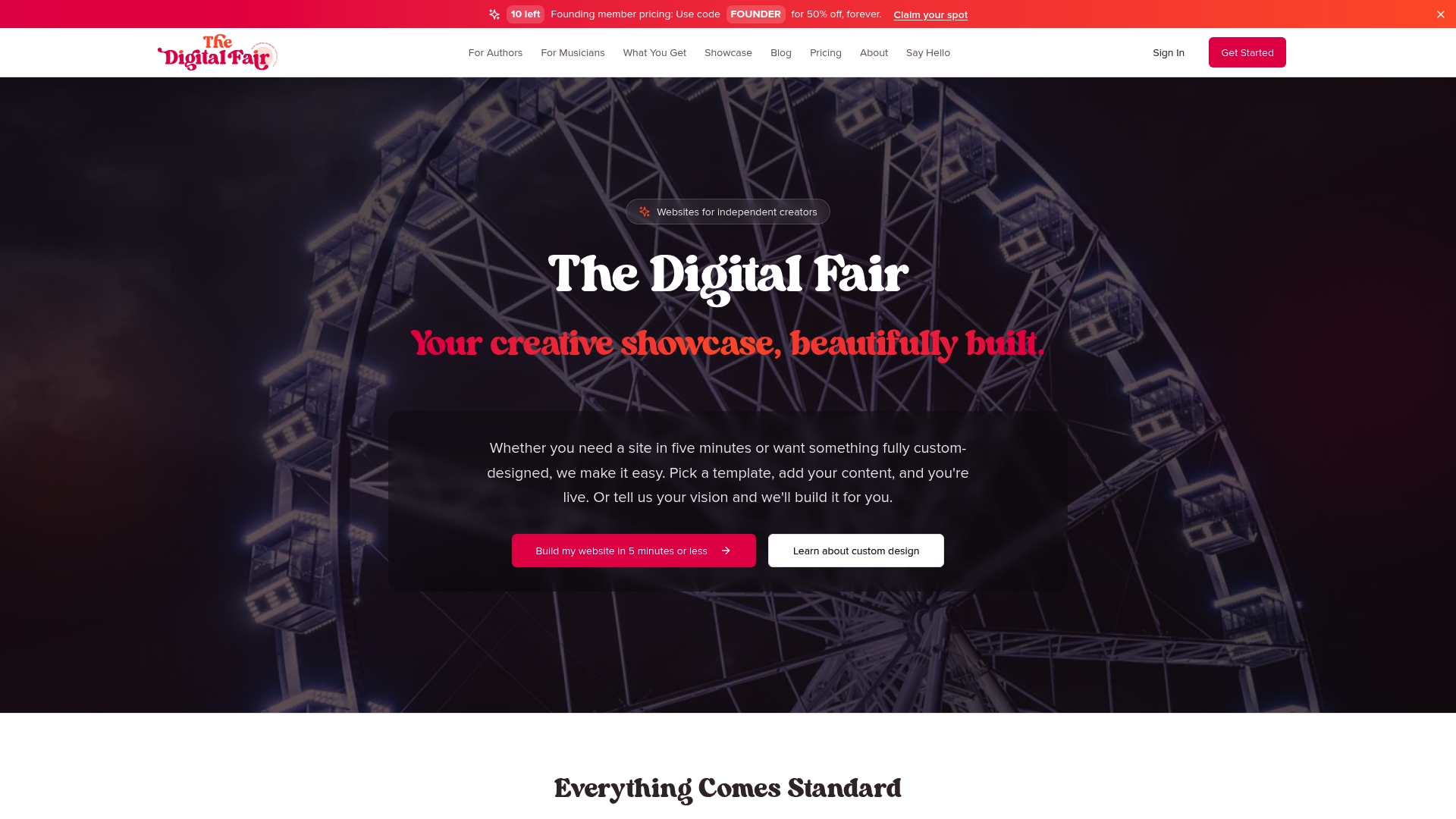
Explore examples like Jazmin Lister’s professional author presence or her custom domain site to see how quickly you can establish credibility online. Our transparent pricing puts professional web presence within reach for every budget. Whether you need a simple landing page or a full content management system, The Digital Fair provides solutions that grow with your career. Start building the digital presence your creative work deserves today.
Frequently asked questions
What is a digital presence and why is it essential for indie creators?
Digital presence encompasses all online channels where fans can discover, connect with, and support your work, including websites, social media, streaming platforms, and email lists. It’s essential because 2026’s audiences discover and evaluate creators primarily online, and without strategic presence, your work remains invisible regardless of quality.
How can I start building my owned digital platforms with limited tech skills?
Modern website builders designed for creators require no coding knowledge and automate much of the setup process. Start with a professional domain name and platform that integrates your existing Spotify or ISBN data, then add email capture and basic pages. Many services offer templates specifically for musicians and authors that look professional immediately.
Why should I not rely only on social media for fan engagement?
Social platforms control algorithms that can dramatically limit your reach without warning, and you never truly own your audience there. Platform policy changes, account suspensions, or algorithm shifts can eliminate years of audience building overnight. Owned channels like websites and email lists protect you from these risks while providing direct, unfiltered communication with fans.
What digital tools help with direct sales for indie authors and musicians?
E-commerce platforms like Shopify, WooCommerce, and Gumroad integrate with your website to handle transactions securely. Payment processors like Stripe and PayPal make accepting payments simple. Email marketing tools like Mailchimp or ConvertKit automate sales campaigns. Many website builders now include these features built in, eliminating the need to connect multiple services.
How often should I update my website and social media for best results?
Update your website monthly at minimum with new releases, upcoming events, or fresh blog content to signal active engagement. Post on social media 3-5 times weekly during peak audience hours. Send email newsletters every 2-4 weeks with exclusive content. Consistency matters more than frequency; establish a sustainable schedule you can maintain long-term rather than burning out with daily posting you can’t sustain.
Recommended
Music Marketing: Strategies That Drive Spotify Success - The Digital Fair Blog | The Digital Fair
Why 50% of Singer-Songwriters Rely on Websites for Fans - The Digital Fair Blog | The Digital Fair
New Feature: Social Media Posting | The Digital Fair | The Digital Fair
Independent Music Promotion for Spotify Success - The Digital Fair Blog | The Digital Fair